

In today’s global marketplace, businesses depend heavily on efficient packaging and logistics services to deliver products safely and on time. With the rapid growth of international trade and e-commerce, the demand for reliable global shipping solutions has increased significantly. Packaging and logistics services play a crucial role in ensuring that products move smoothly from manufacturers to customers across different countries and continents.
From protecting goods during transportation to managing complex supply chains, packaging and logistics services are essential for modern business operations. Companies that invest in strong logistics strategies can improve customer satisfaction, reduce costs, and expand their global reach.
The Importance of Packaging in Global Shipping
Packaging is one of the most critical steps in the logistics process. Proper packaging protects products from damage during transportation and handling. When goods travel long distances through multiple transportation modes—such as trucks, ships, and airplanes—they are exposed to various environmental conditions.
Effective packaging helps prevent damage caused by vibration, moisture, temperature changes, and physical impact. High-quality packaging materials such as corrugated boxes, bubble wrap, foam inserts, and protective pallets ensure that products remain safe throughout the shipping process.
In addition to protection, packaging also helps organize shipments. Properly labeled and packaged goods are easier to track, store, and transport. Clear labeling ensures that packages reach the correct destination without confusion or delays.
Logistics Services and Global Supply Chains
Logistics services involve planning, managing, and executing the movement of goods from one location to another. These services include transportation, warehousing, inventory management, and order fulfillment. Together, these elements create a smooth and efficient supply chain.
Global logistics companies coordinate shipments across borders and handle complex tasks such as customs clearance, documentation, and regulatory compliance. Without effective logistics services, international trade would be slow, expensive, and unreliable.
Modern logistics providers use advanced technology to track shipments in real time, optimize transportation routes, and improve delivery efficiency. These innovations allow businesses to manage their global supply chains more effectively.
Warehousing and Storage Solutions
Warehousing is another important component of logistics services. Warehouses serve as storage facilities where goods are kept before they are distributed to retailers or customers. These facilities help businesses manage inventory, reduce transportation costs, and ensure faster delivery times.
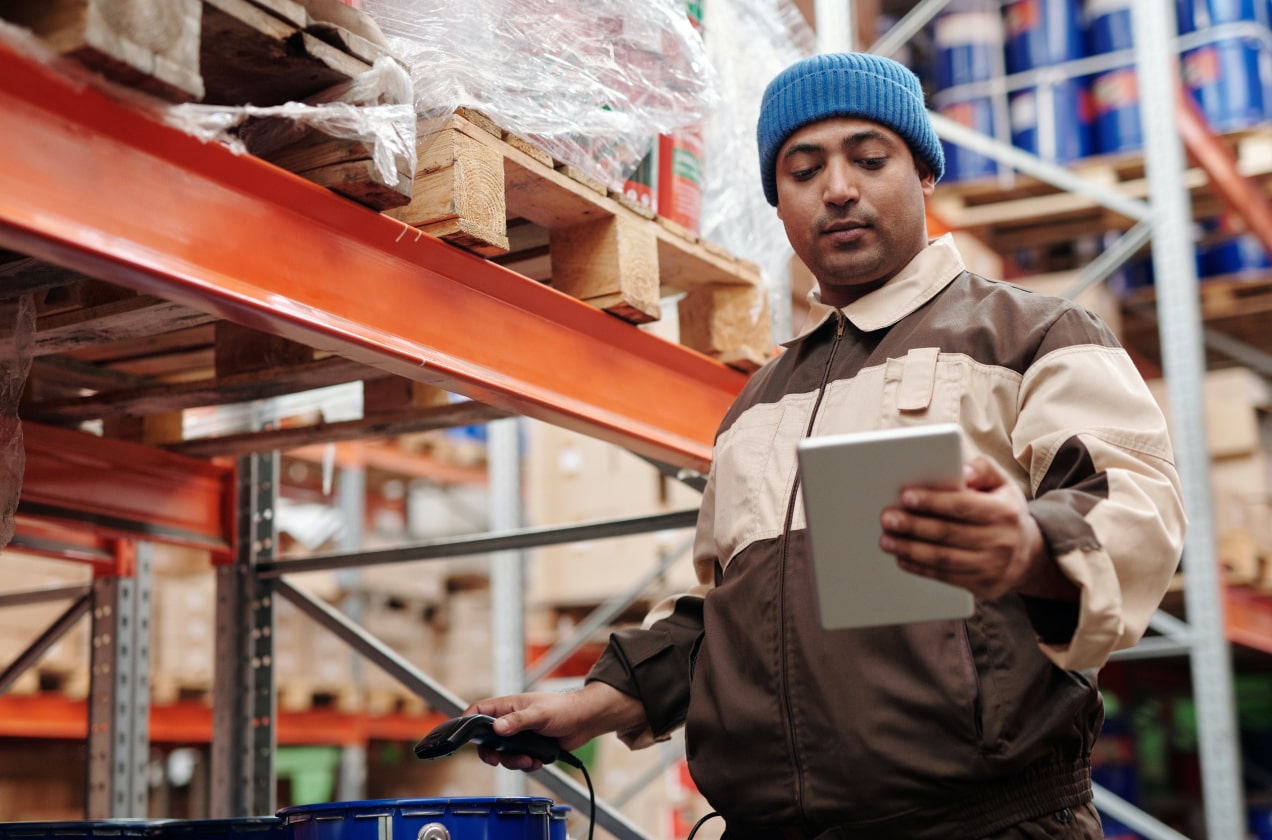
Modern warehouses are equipped with advanced systems that help track inventory levels, monitor product movement, and organize storage spaces efficiently. Many logistics providers also offer value-added services such as packaging, labeling, and order processing within the warehouse.
Strategically located warehouses allow companies to distribute products more efficiently across different regions. This reduces delivery time and improves overall customer satisfaction.
Transportation and Distribution
Transportation is at the heart of logistics services. Goods must be transported from manufacturers to warehouses and eventually to customers. Logistics companies use various transportation methods depending on the type of shipment, distance, and delivery time requirements.
Common transportation options include:
-
Road transport for local and regional deliveries
-
Air freight for fast international shipments
-
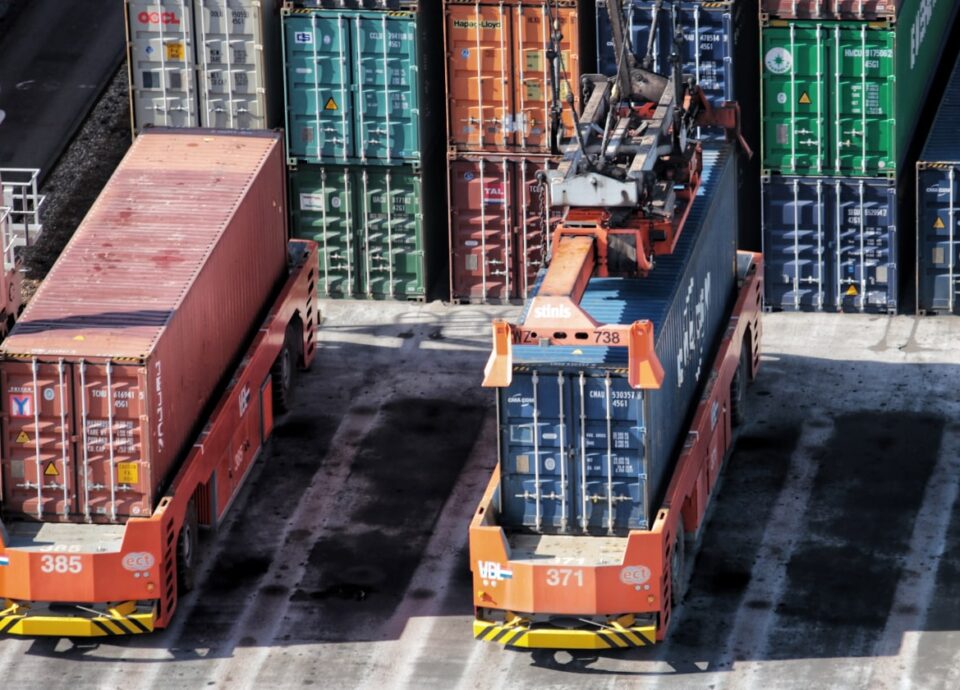
Sea freight for large cargo and long-distance shipping
-
Rail transport for cost-effective bulk transportation
Efficient distribution networks help businesses deliver products quickly and reliably. Logistics companies carefully plan routes, schedules, and delivery methods to minimize delays and reduce transportation costs.
International Shipping and Customs Clearance
When goods are shipped across borders, they must comply with international trade regulations. This includes customs documentation, import and export regulations, and duty payments. Handling these requirements can be complex, especially for businesses that ship products to multiple countries.
Professional logistics providers assist companies with customs clearance and documentation. They ensure that shipments meet all legal requirements and pass through customs smoothly. This helps avoid delays and additional costs.
Efficient customs management is essential for maintaining fast and reliable international shipping operations.
Technology in Modern Logistics
Technology has transformed the logistics industry in recent years. Digital systems and automation tools allow logistics companies to manage shipments more efficiently and provide better services to customers.
Warehouse management systems help track inventory and organize storage spaces. GPS tracking and digital monitoring systems allow businesses to track shipments in real time. Customers can also receive updates about their delivery status, improving transparency and trust.
Automation technologies such as robotics and smart sorting systems are also being used in modern warehouses. These innovations improve speed, accuracy, and overall efficiency in logistics operations.
Benefits of Professional Packaging and Logistics Services
Businesses that use professional packaging and logistics services gain several important advantages.
First, these services ensure that products are delivered safely and securely. Proper packaging protects goods from damage and reduces the risk of loss during transportation.
Second, efficient logistics operations improve delivery speed. Fast and reliable shipping helps businesses meet customer expectations and build strong relationships with clients.
Third, professional logistics services help companies reduce operational costs. By optimizing transportation routes, managing inventory efficiently, and consolidating shipments, logistics providers help businesses save money.
Finally, strong logistics support enables businesses to expand into global markets. With reliable shipping and distribution networks, companies can reach customers in different countries and grow their international presence.
The Future of Global Packaging and Logistics
The logistics industry continues to evolve as technology and global trade expand. E-commerce growth, increasing customer expectations, and sustainability concerns are shaping the future of packaging and logistics services.
Many companies are now focusing on eco-friendly packaging materials and energy-efficient transportation methods. Sustainable logistics practices help reduce environmental impact while maintaining efficient operations.
In the coming years, technologies such as artificial intelligence, automation, and smart logistics systems will further improve supply chain efficiency and global connectivity.
Conclusion
Packaging and logistics services are essential for businesses operating in today’s global economy. From protecting products during transportation to managing complex international supply chains, these services ensure that goods reach customers safely and efficiently.
With the help of modern logistics technology, professional packaging solutions, and efficient transportation networks, businesses can deliver products to markets around the world. As global trade continues to grow, reliable packaging and logistics services will remain a key factor in successful international business operations.